

26 December
Uncategorized
Foam Cups vs Paper Cups: Which Is Better for Hot & Cold Drinks?
- admin
- Foam Cups, Paper Cups
- 0 Comments
Choosing the right disposable cup might sound pretty straightforward. Still it can make or break customer satisfaction, control costs, and drive operational efficiencies across the entire US food service environment. Coffeeshops, restaurants, event organizers, offices, and catering services all need cups that do well for hot and cold beverages.
The discussion continues to rage over Foam Cups vs Paper Cups as these options offer different benefits depending on how they are used. For businesses that focus on high-volume service the very first thought for sourcing will most likely be through the Wholesale cups channel.
Understanding Foam Cups and Paper Cups
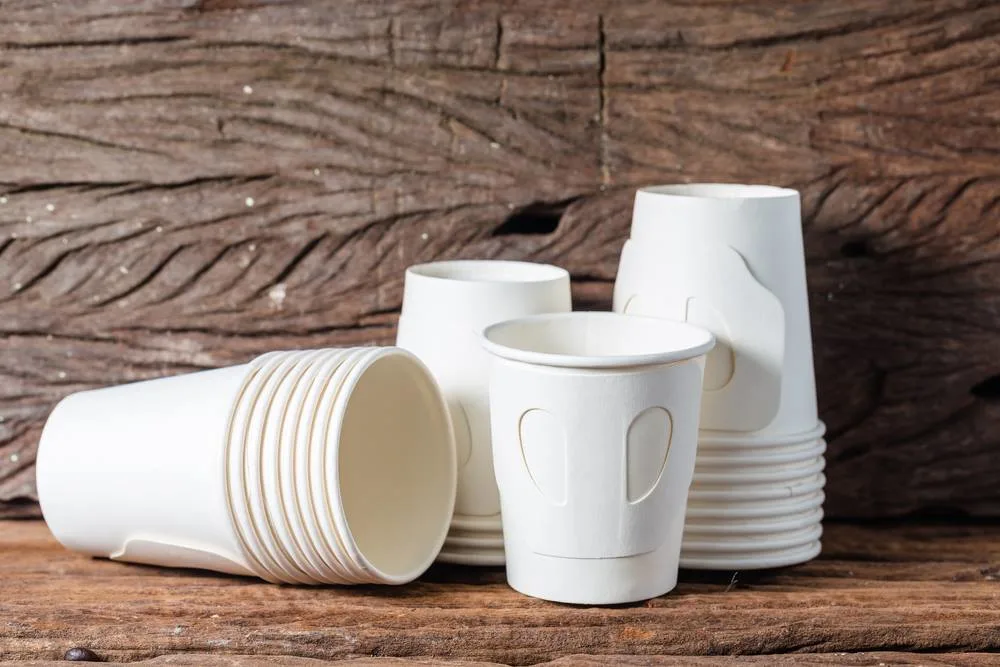
Foam cups are made up of expanded polystyrene with air trapped in their structure. The enclosed air serves as an insulator for both hot and cold drinks helping liquids retain their warmth or chill for longer. Thus, paper cups on the contrary are made of paperboard and lined with a thin lining to prevent leakage. These are often found in coffee, tea, soft drinks, and water in different facilities.
Both types of cups are generally used in the USA for their convenience and low cost. Almost everything, from performance, comfort, and price, could vary depending on the type of drink and where it is served.
Insulation and Temperature Control
Insulation is one quality that distinguishes foam cups from paper cups the best. The foam cup behaves as an insulator, preventing excessive heat transfer to the hand for hot liquids, while cold liquids remain cool for longer without condensation on the outside.
Lighting insulation or rather fire insulation differs between Foam cups vs paper cups with the most notable difference being hot beverages such as coffee and tea. Most of the time paper cups come with an added layer of sleeves or double cupping, which helps protect the hands from heat. This additional layer increases overall material use and the associated costs. The use of foam cups generally makes these accessories unnecessary allowing for rapid service during peak times.
Cost Effectiveness and Mass Purchases
Cost is a priority for many operators and foam cups are typically light and highly transportable and storable. Bulk reduction reduces unit cost per piece especially when purchased wholesale foam cups suppliers catering mostly restaurants, offices, and event organizers.
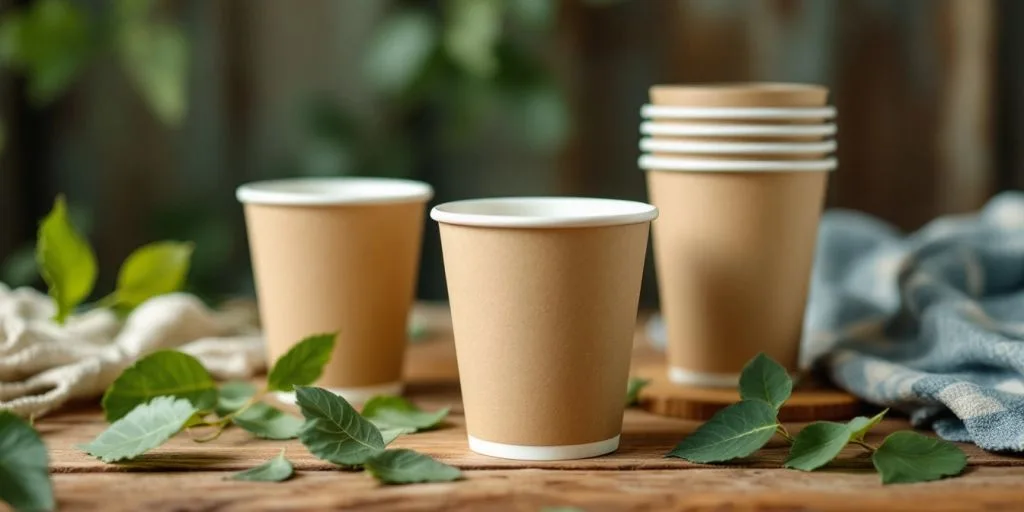
Paper cups seem cheaper initially, but add-ons like sleeves, lids, or double-cupping add to the cost. Companies that pour high volumes of beverages in a day typically look at total costs of the beverage rather than that of each individual item.
Performance for Cold Drinks
Cold drinks are served in cups designed to protect against rapid temperature change and in the process reduce condensation. Foam cups are excellent at keeping drinks colder and never allow moisture to accumulate on their outer surface making them particularly useful for outdoor events, food trucks, and take-away service, a common practice in various states across the US.
Paper cups can sometimes work well for cold drinks but may cause condensation and damp surfaces which can affect comfort. For businesses serving iced beverages throughout the day foam cups are often the Industrial Cleaning Products, more pleasant option.
Storage and Operational Practicality
Another factor considered in businesses is storage space. Since foam cups are lightweight and stack well they can be stored easily in bulk and are therefore ideal for warehouse storage, restaurant back rooms, and mobile vendors.
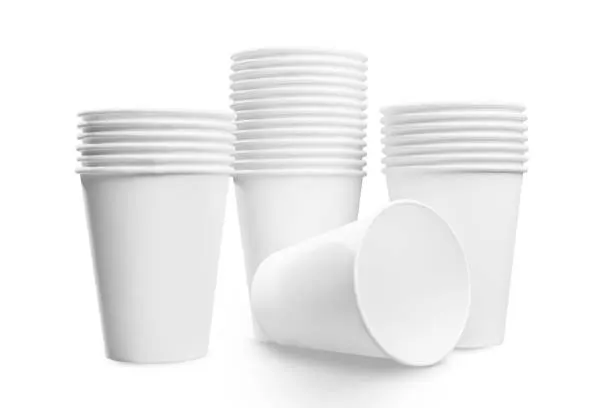
Another point is that sourcing through wholesale foam cups channel consistently provides supply chain assurance which most businesses require for tight schedules. Having a sufficient bulk supply would avoid disruptions during peak seasons and major events.
Environmental Considerations in Practice
Environmental considerations are critically important and foam and paper cups are facing scrutiny. Although paper cups appear to have lower ecological impacts their lining can make them more difficult to recycle. Being lightweight foam cups reduce transportation emissions and they are accepted for recycling in some programs depending on local facilities.
In the United States, companies regularly select services less on the actual environmental evaluations of the alternatives and more on local waste management systems, regulations, and consumer expectations, rather than on the alternatives’ ecological impacts.
Making the Right Choice for Your Business
Choosing the right cup depends on the type of drink, how much it needs to be served, how much the cup can hold and, of course, budget constraints. It’s generally high-capacity operations that serve hot and cold drinks, leaning toward foam cups for insulation and efficiency.
Paper cups on the other hand, require accessories for use but tend to attract businesses focused on branding or short-term use. Trendy consumers may say otherwise, but the best guides are daily operations with respect to what consumers need and understanding the consumers themselves.
Conclusion
Foam and Paper Cups are examples of solutions that vary by business. First, the insulation properties of foam cups really come into play helping maintain grip and comfort levels especially when selling hot or cold beverages off-the-shelf for immediate consumption.
Paper cups have certain aesthetic advantages and are familiar but may need opponent aid at this price. So, foam cups allow standardization, help save some money and are friendly to the environment, enabling courtesy and excellent service to be offered to clients who intelligently choose to buy such goods wholesale across other states for businesses in this area.
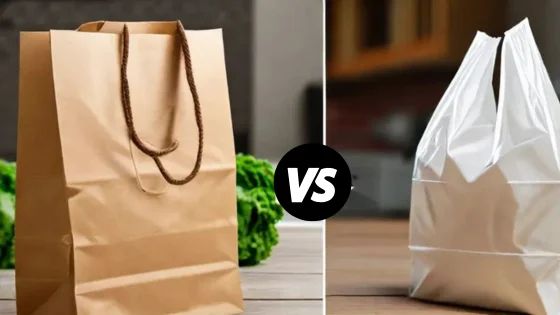
Read Also: Brown Paper Bags vs Plastic Bags: Which Is Better for Your Business?
FAQs
Q1. Are Foam Cups Safe for Holding Hot Drinks?
Ans: Yes, foam cups are comfortable with hot beverages, even coffee and tea. They are insulating, keeping the beverage hot and the hand comfortably cool, making them an ideal choice for everyday food service.
Q2. Do Paper Cups Work Well for Cold Drinks?
Ans: Paper cups can typically serve cold drinks but the downside is that condensation forms over time. This makes the cup feel moist and not so nice to hold especially when used for iced drinks outdoors and over long hours.
Q3. Which Cup-type Option Can Be the Most Economical for Bulk Consumers?
Ans: On the whole, foam cups provide more total profitability benefiting companies with a large volume of beverage sales because they do not necessitate an outside accessory as sleeves and due to their lighter weight, they also save space and handling costs.
Q4. How Should a Business Choose Between Foam and Paper Cups?
Ans: The best plan is to evaluate customer needs against drink type, storage space, and daily business volume. All these can be practically assessed against performance and operational requirements to achieve the right choice.